.png)


The Seattle Kraken, one of the NHL’s newest franchises, has taken the hockey world by storm—not just on the ice but also in the digital space. Through a strategic approach to organic social media, the Kraken have cultivated a passionate fan base, strengthened community ties, and created a distinct brand voice that resonates with hockey fans. Let’s explore how they leveraged organic social media beyond simple brand awareness to build a loyal following.
Social media marketing is the practice of using social platforms like Instagram, Twitter, and Facebook to promote a brand, engage with audiences, and drive business goals. It encompasses both organic and paid strategies to build relationships, share content, and boost visibility.
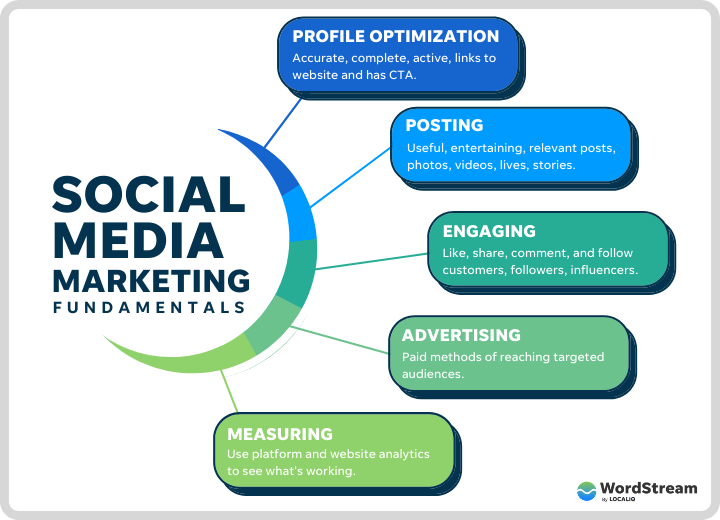
Organic social media refers to unpaid social content that reaches an audience naturally through engagement, shares, and algorithm-based visibility. It is a powerful tool for community building, brand loyalty, and long-term audience retention.
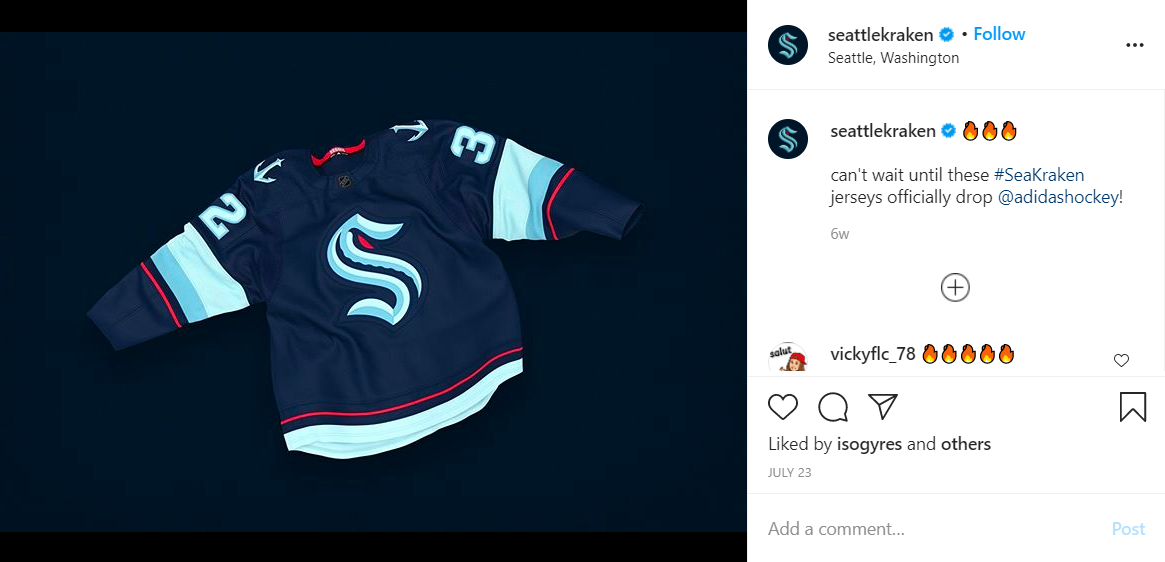
From day one, the Kraken's social media presence stood out with its witty, engaging, and sometimes playful tone. Unlike traditional NHL team accounts, the Kraken leaned into humor and fan culture to create a relatable and interactive experience. This unique approach helped the team establish a distinct identity in the league. Zack Peggins, the team’s social media manager from October 2022 - 2024, played a key role in crafting this digital personality, ensuring that every post felt authentic and engaging.

One of the Kraken’s most effective organic strategies has been their commitment to fan engagement. Whether through replying to tweets, acknowledging user-generated content, or hosting interactive Q&A sessions, the Kraken have made their fans feel like part of the team. Their approach mirrors the Seattle sports culture, which thrives on community-driven support.
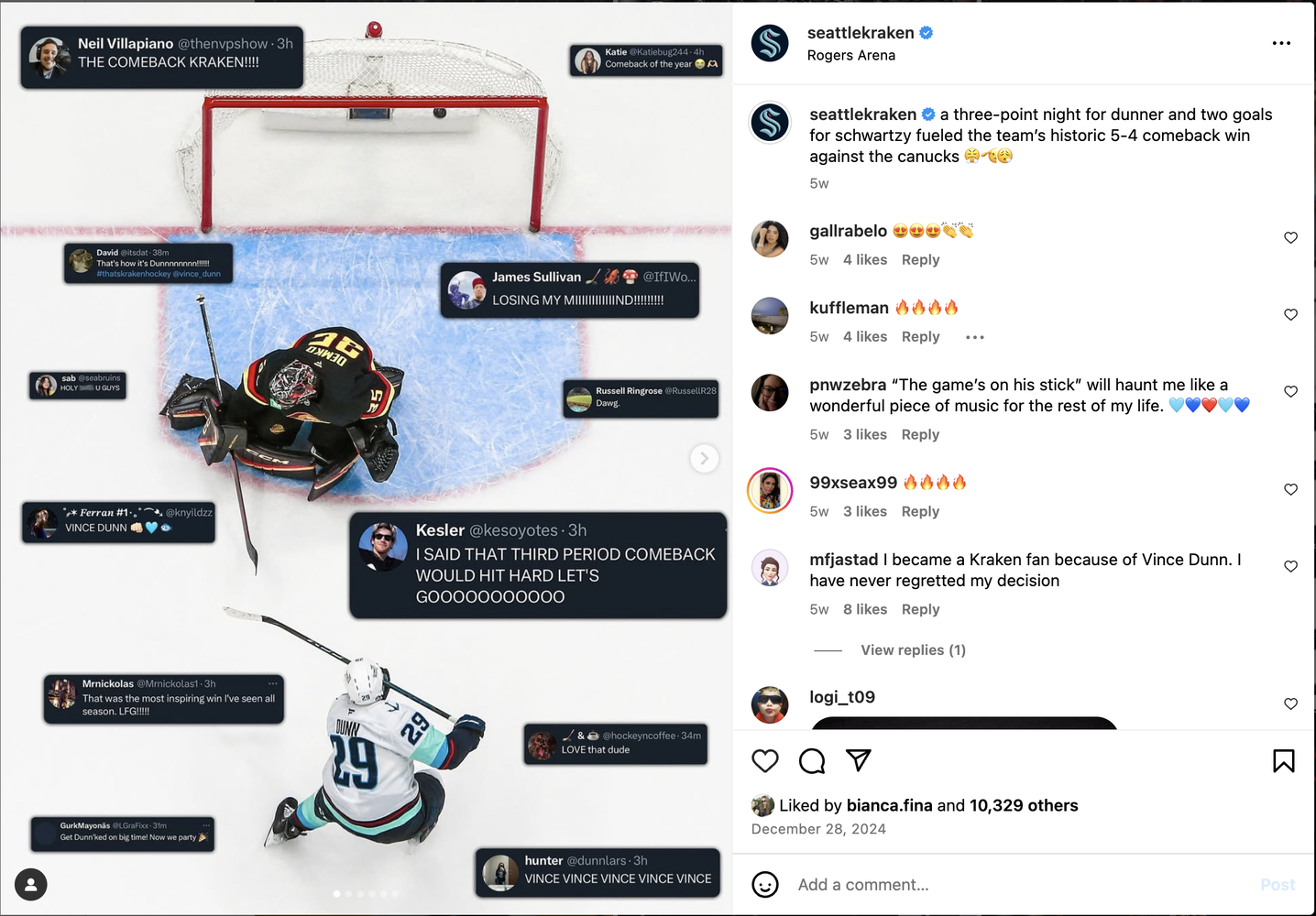
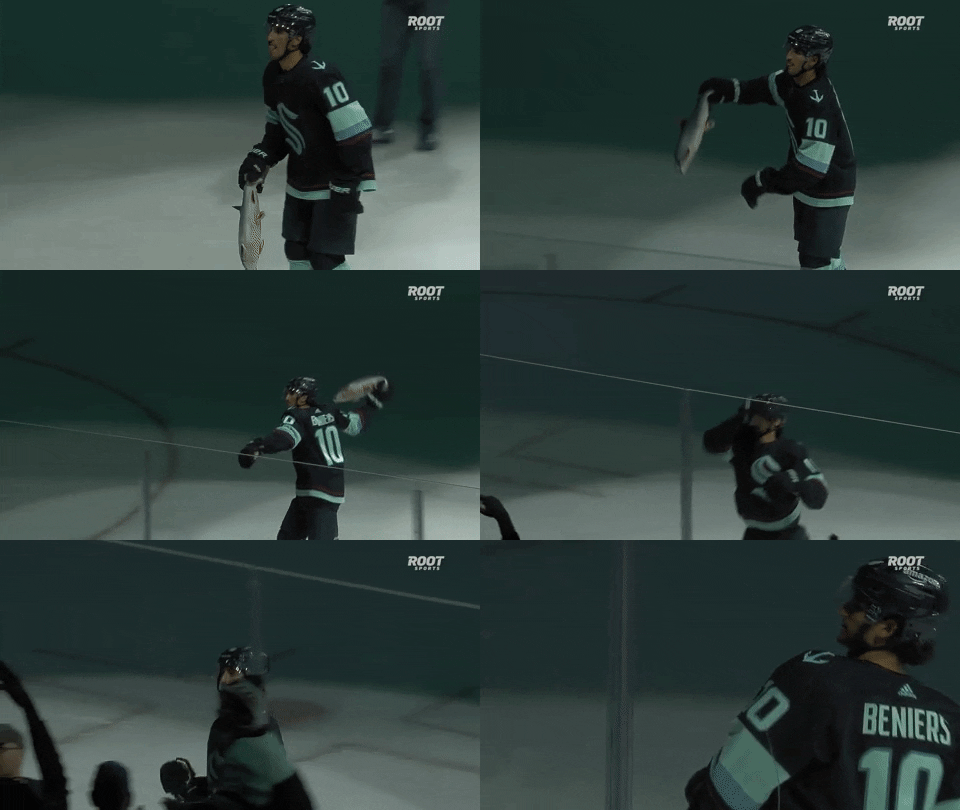
The Kraken use their social media channels to keep fans informed and entertained, whether it's through in-game highlights, behind-the-scenes footage, or creative memes. Their ability to quickly adapt to trending moments—both within hockey and pop culture—keeps their content fresh and shareable. This dynamic approach boosts engagement and fosters a sense of excitement around the team.
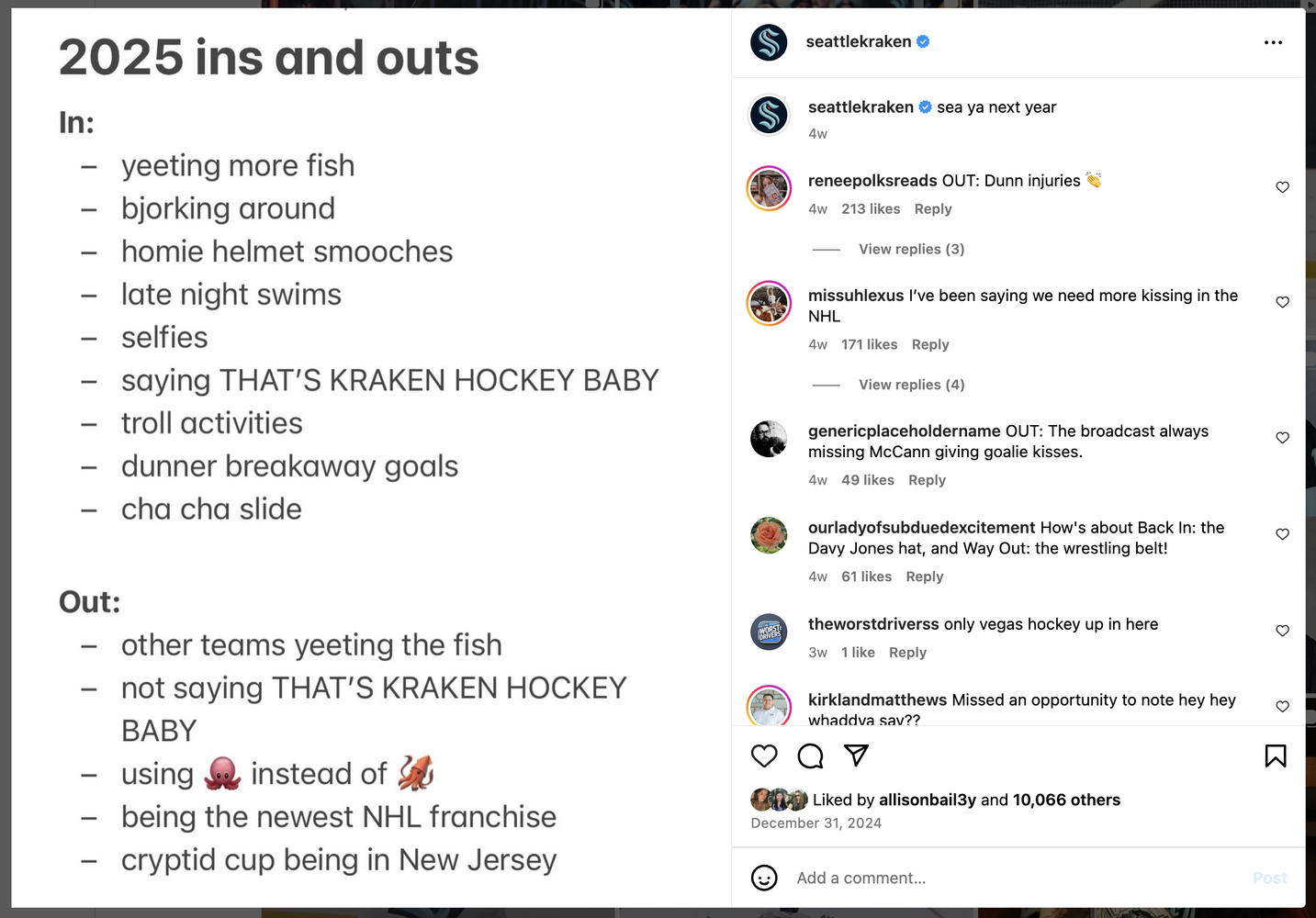
The Kraken actively use social listening to understand what their fans are saying. By monitoring trends and conversations, they tailor their content to reflect the interests and sentiments of their audience. This strategy allows them to stay ahead of fan expectations and create content that truly resonates with the hockey community.
A social analysis from Zoomph highlights the Kraken's massive social media impact. Their Twitter name announcement alone generated over 7.6 million impressions and $217,759 in social value. Since their launch, the team has accumulated over $1.2 million in Twitter social value and $1.08 million on Instagram. Their audience is highly engaged in esports, gaming, and sports betting, giving them a unique advantage in digital outreach.
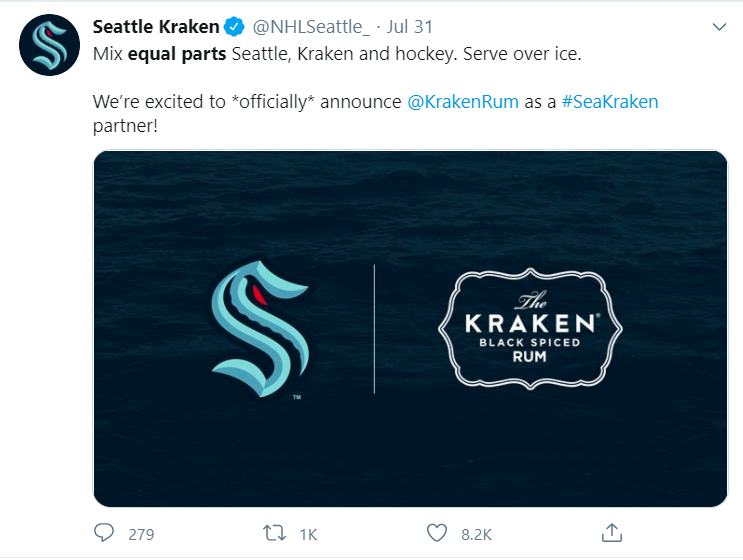
The Kraken have also leveraged social media data to secure impactful sponsorships. Kraken Rum quickly became the team’s official rum partner, aligning perfectly with fan interests. Additionally, their partnership with Alaska Airlines has proven valuable, as Kraken fans are 425.4 times more likely to have an affinity for the airline. These collaborations enhance brand presence while maintaining authenticity.
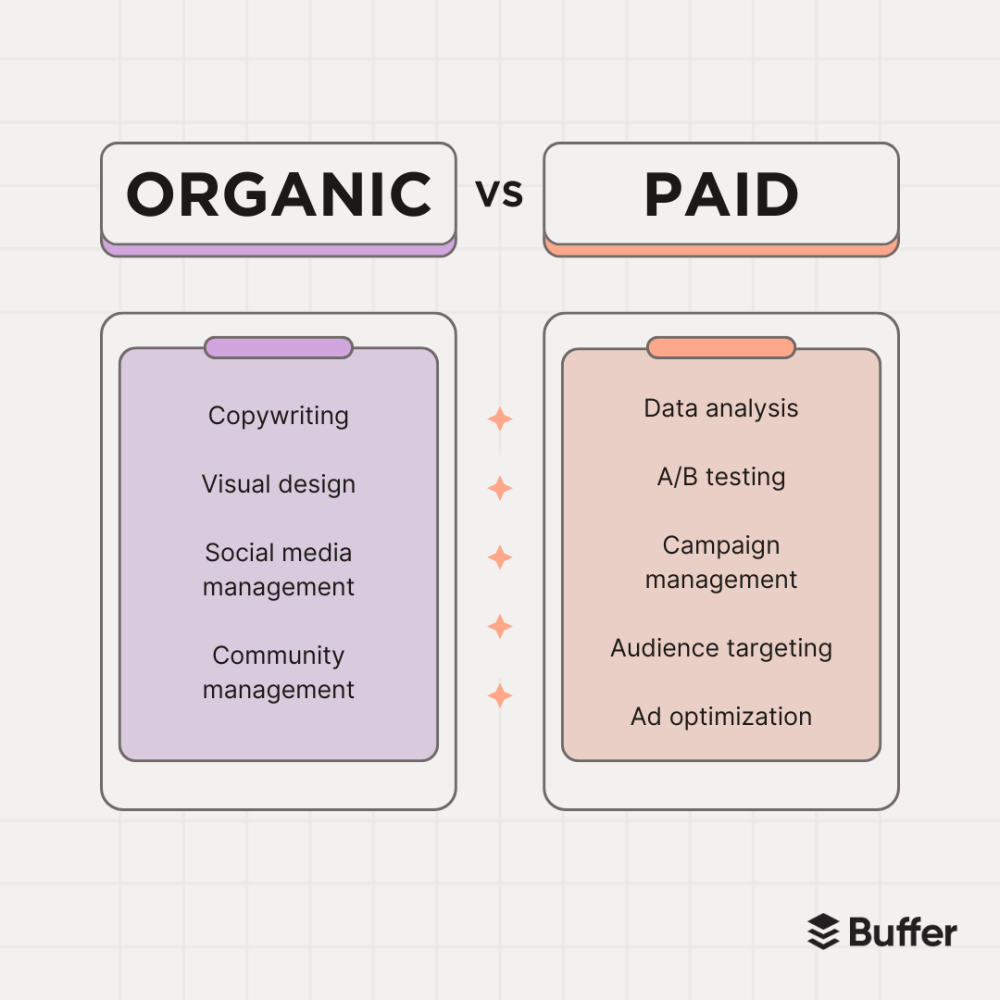
While the Kraken have mastered the art of organic engagement, they also integrate paid social media to amplify their reach. Here’s how they balance both:
Combined Approach: By using organic content to create buzz and leveraging paid ads to drive conversions, the Kraken maximize their digital impact.
The Seattle Kraken’s success on social media demonstrates the power of organic marketing when done right. By building a strong brand voice, engaging with fans, and staying in tune with their community, they have created a social media presence that extends far beyond traditional marketing. Their approach serves as a model for other sports franchises looking to connect with fans in a meaningful way.
How do you think other NHL teams compare in their social media strategies? Let’s discuss in the comments!
.png)

