Why Structure is Your Secret Weapon in the Content Chaos
March 21, 2025
Giulia Z. Z. Lins
As a content creator, staying organized is the cornerstone of your success. Whether you're juggling multiple projects, brainstorming new ideas, or collaborating with a team, chaos can quickly derail your productivity and creativity. Fortunately, methodologies like Kanban, Agile marketing, and Scrum provide powerful frameworks to bring structure, clarity, and efficiency to your workflow.
Let’s explore how these systems can help you stay on top of your game—and how you can apply them to your content creation process.
Why Organization Matters for Content Creators
Content creation is a demanding field. From ideation to publishing and promotion, the sheer volume of tasks can be overwhelming. Staying organized allows you to:
Prioritize Effectively: Focus on high-impact tasks without losing sight of deadlines.
Build Consistency: Maintain a steady flow of content to keep your audience engaged.
Reduce Stress: Gain control over your workload and eliminate last-minute scrambling.
Scale Your Efforts: Manage multiple projects efficiently as your workload grows.
Kanban: Visualizing Your Workflow
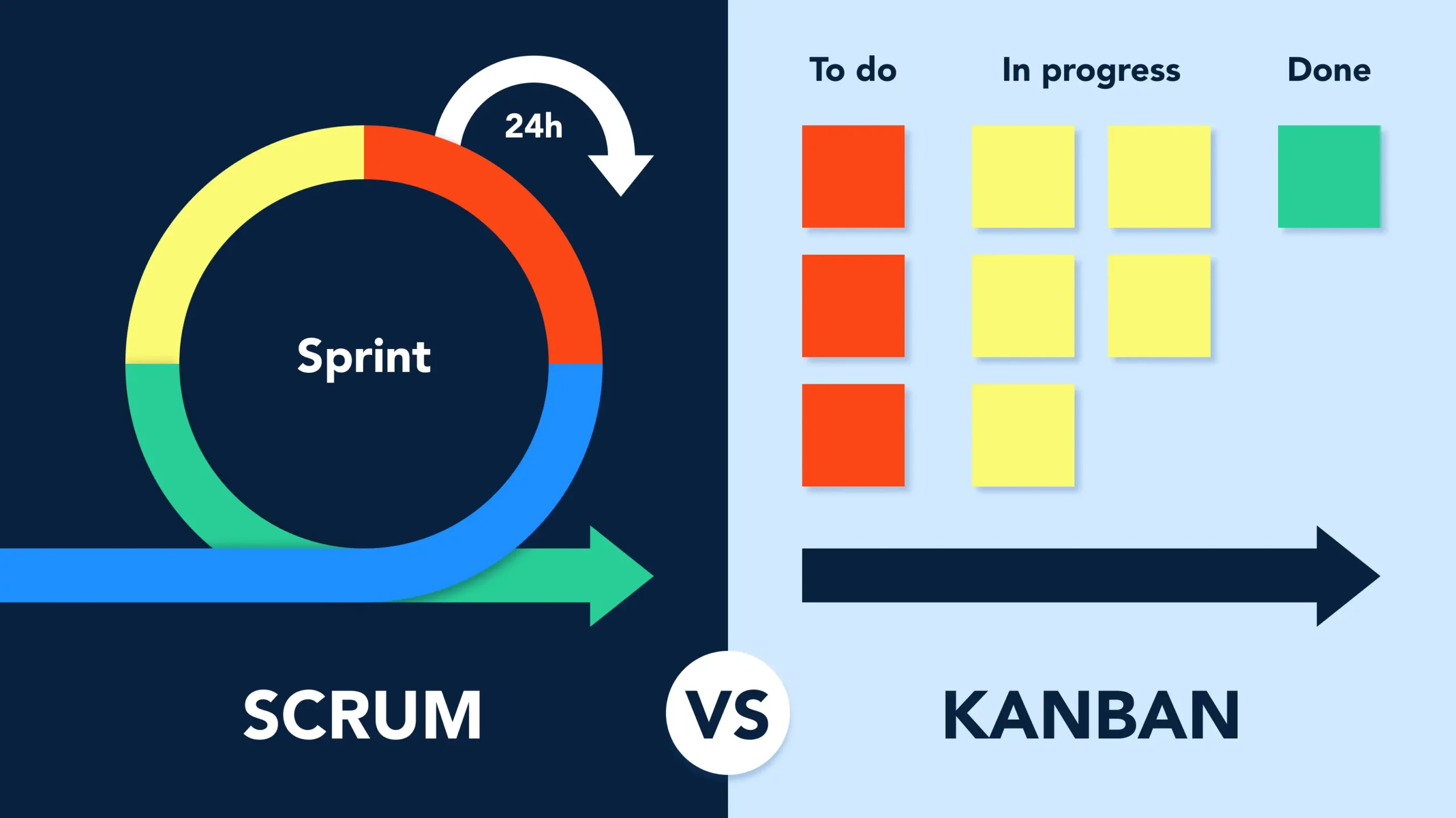
Kanban is a visual task management system that helps you organize projects into stages such as "To Do," "In Progress," and "Done." It’s ideal for content creators because it provides a clear overview of all tasks while allowing flexibility.
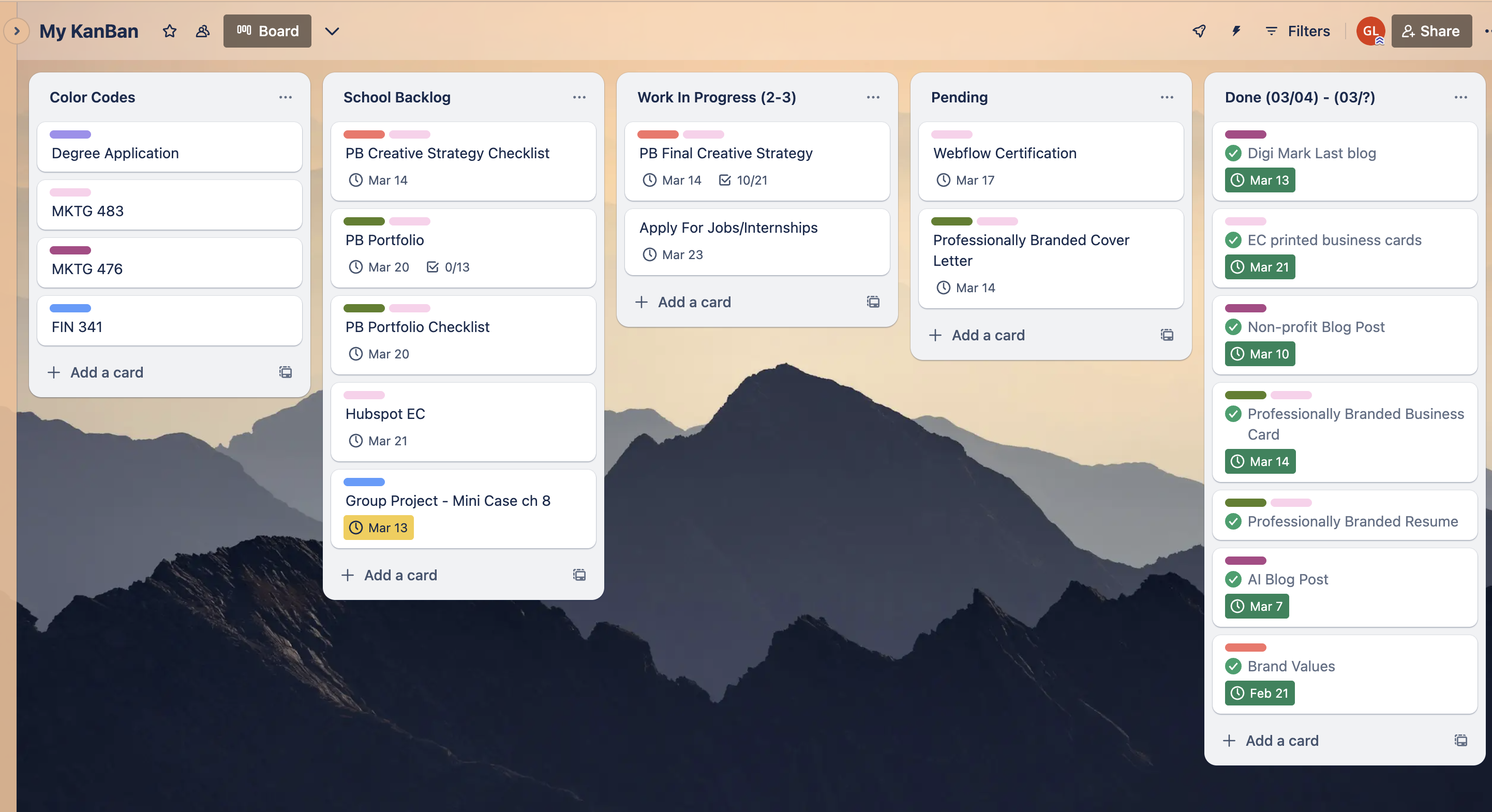
Here’s a snapshot of how I organize my workflow using Kanban:
Color Coding: Tasks are grouped by categories like school assignments, marketing campaigns, or creative projects.
Columns for Progress Tracking: Tasks move from "School Backlog" to "Work in Progress," "Pending," and finally "Done."
Deadlines and Subtasks: Each card includes details like due dates (e.g., March 14) or progress indicators (e.g., 10/21 completed).
Kanban helps me maintain focus while celebrating small wins as tasks move into the “Done” column.
Agile Marketing: Iterative Creativity
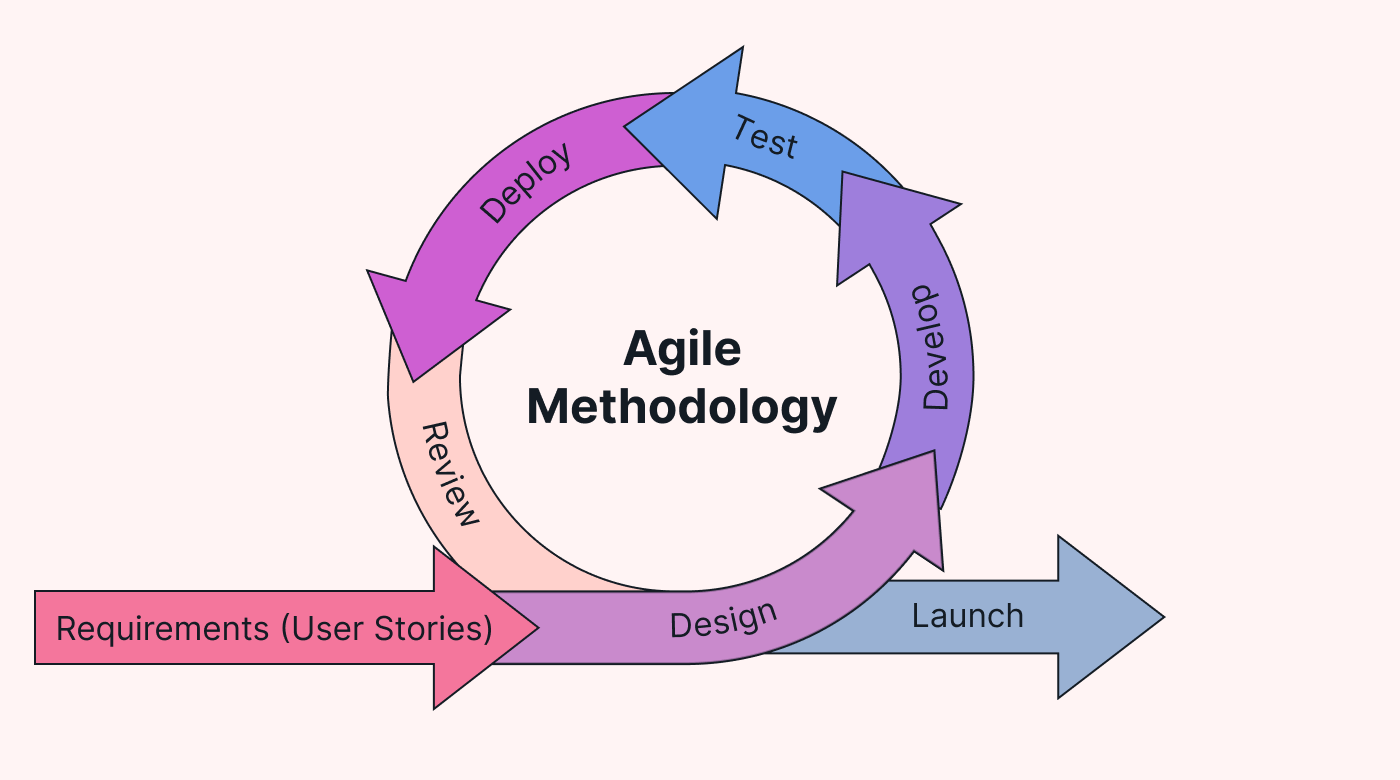
Agile marketing emphasizes flexibility, collaboration, and iterative progress. For content creators, this means breaking large projects into smaller cycles (called sprints) and adapting based on feedback.
Benefits for Content Creators:
Short Sprints: Plan work in 1–2 week cycles with clear goals (e.g., completing three blog posts or launching a campaign).
Continuous Improvement: Regular reviews help refine processes and improve results.
Data-Driven Decisions: Analytics guide content strategies for better performance.
Adaptability: Agile allows you to pivot quickly based on audience feedback or emerging trends.
By combining Agile principles with Kanban’s visual clarity, you can create a workflow that’s both structured and flexible.
Scrum: Taking Agile to the Next Level
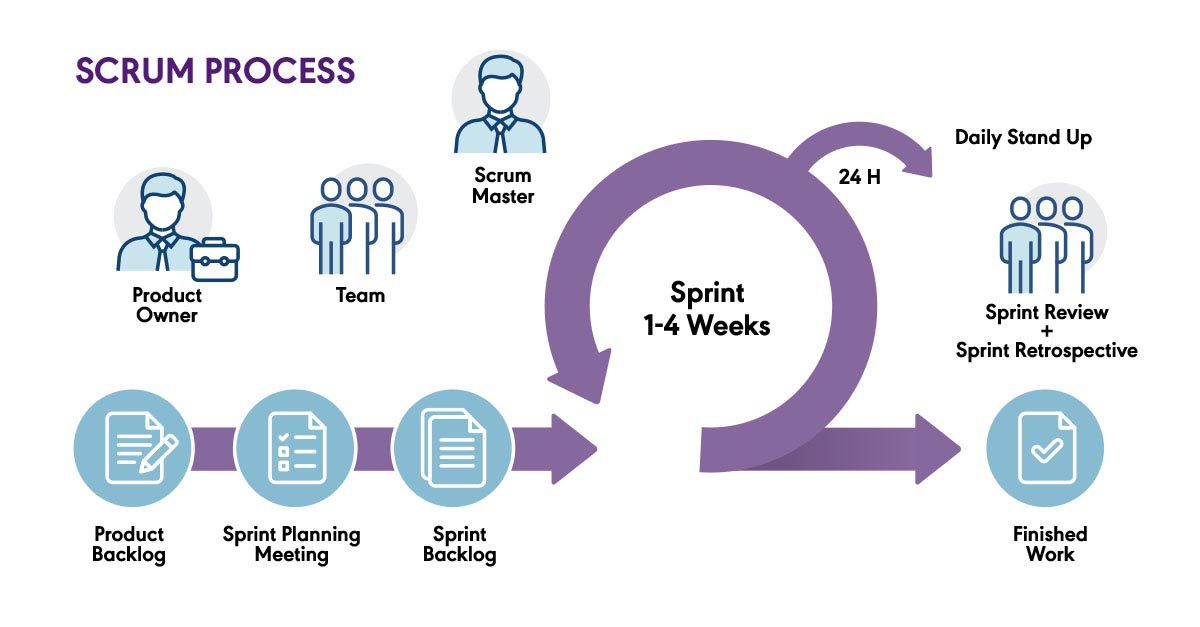
Scrum is an Agile framework designed for team collaboration and incremental delivery. While originally developed for software teams, Scrum is now widely used in creative industries—including content creation.
Key Elements of Scrum:
Sprints: Time-boxed iterations (typically 1–4 weeks) with specific goals.
Daily Standups: Short meetings where team members discuss progress, challenges, and next steps.
Sprint Reviews: Collaborative sessions to evaluate completed work and gather feedback.
Retrospectives: Reflective meetings to identify improvements for future sprints.
How Scrum Benefits Content Creators:
Prioritization: Focus on high-impact tasks during each sprint.
Flexibility: Adapt quickly to changing needs or stakeholder feedback.
Collaboration: Foster teamwork through regular communication and shared ownership.
Efficiency: Deliver incremental results faster while maintaining quality.
For example, during a sprint focused on creating blog content:
The team might break down the project into smaller tasks like ideation, drafting, editing, design, and publishing.
Daily standups ensure alignment and address bottlenecks (e.g., delayed feedback).
Sprint reviews allow stakeholders to provide input before finalizing the content.
Combining Kanban, Agile Marketing, and Scrum
These methodologies complement each other beautifully:
Use Kanban to visualize your workflow across stages like ideation, production, review, and publishing.
Apply Agile marketing principles to plan short sprints focused on specific goals.
Leverage Scrum practices like daily standups and retrospectives to improve collaboration and efficiency.
Practical Steps to Get Started
Set Up Your Kanban Board: Create columns for stages like "Backlog," "In Progress," "Pending," and "Done."
Plan Sprints Using Scrum Principles: Define goals for each sprint (e.g., publish three blog posts) and break them into actionable tasks.
Track Progress Daily: Use standups or personal check-ins to monitor task status.
Review & Adapt: Hold sprint reviews and retrospectives to evaluate outcomes and refine your process.
Final Thoughts: Unlock Your Creative Potential
Staying organized doesn’t mean stifling creativity—it means creating space for it to thrive. By combining tools like Kanban with frameworks like Agile marketing and Scrum, you can transform chaos into clarity while delivering high-quality content consistently.
So why wait? Start experimenting with these methodologies today—and watch your productivity soar while your creative potential flourishes!
.png)


.png)

